Introduction
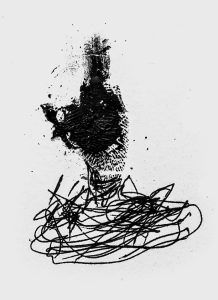
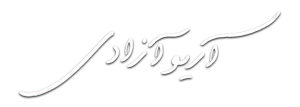
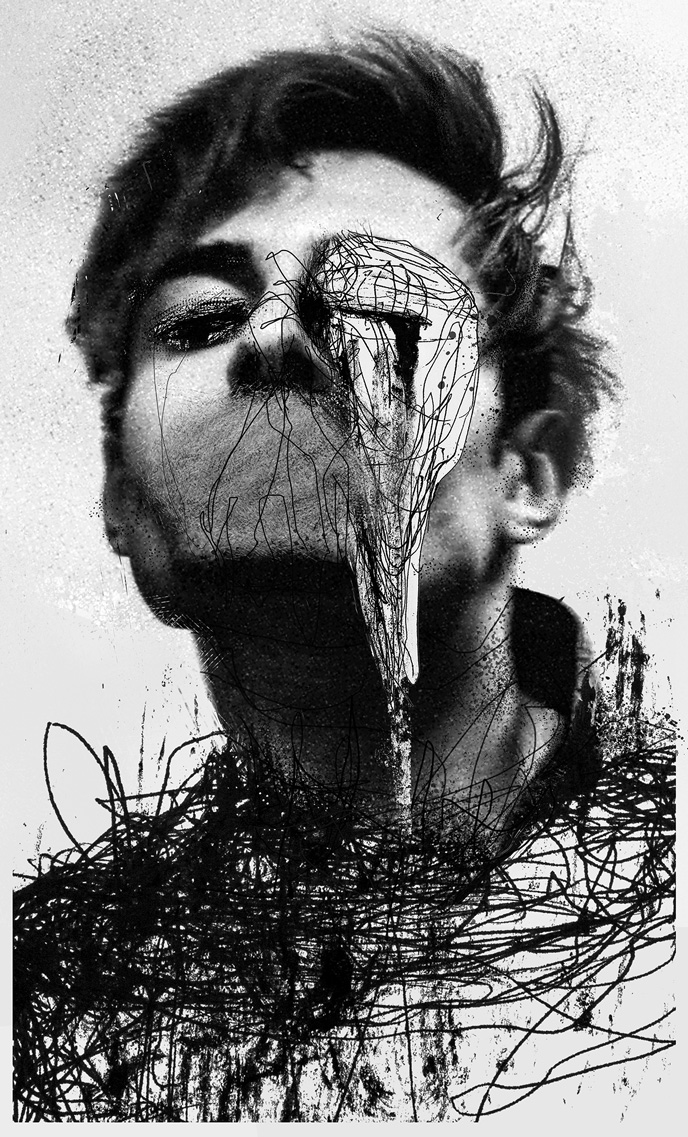
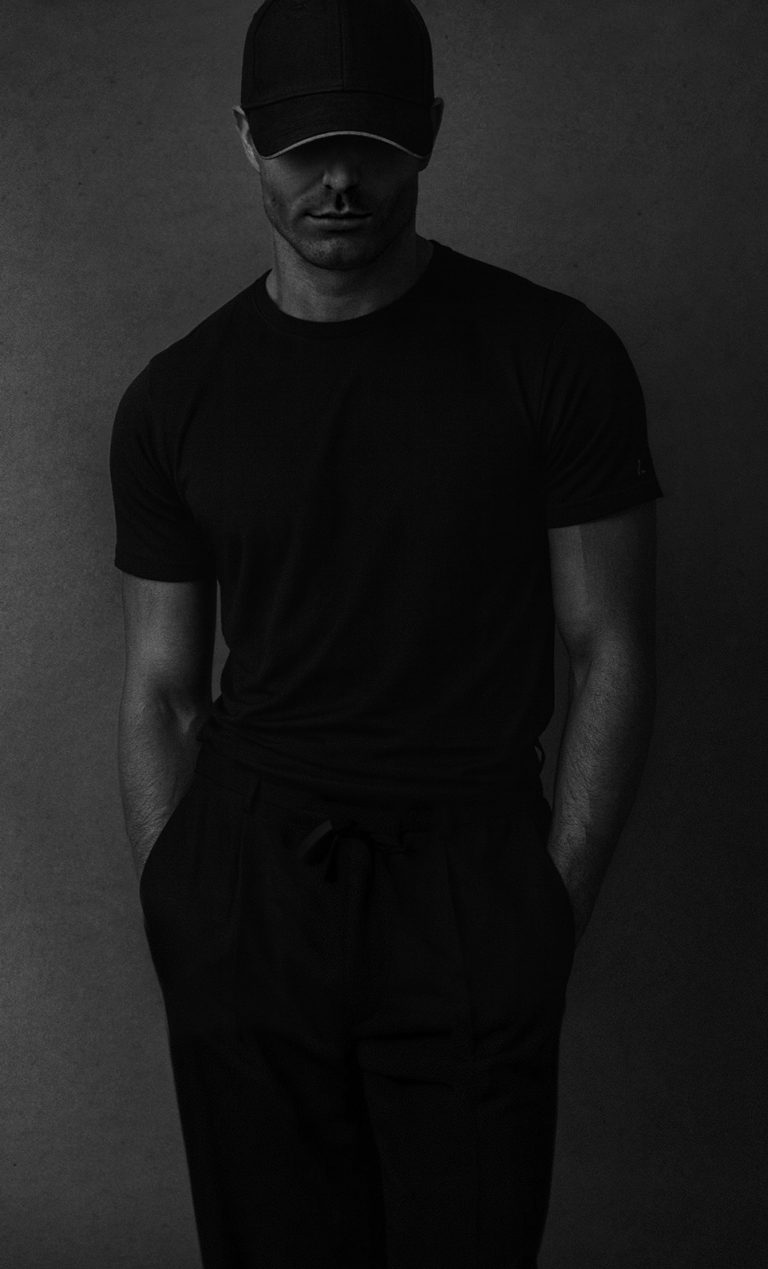
I am Ario (Ariu) Azadi (آریو آزادی), a traditional and digital dark-expressionist artist from Tehran. My work moves across drawing, painting, photography, posters and hybrid digital pieces, circling around freedom, pressure, memory and the human condition.
Personal Statement
My family name, Azadi (آزادی), means freedom in Persian. It is also the main tension in my life and in my work.
Most pieces begin before I fully understand them: a quick line, a stain on canvas, a distorted figure on a photograph or an emotion that will not leave. I follow these marks instead of forcing a clear concept. The work grows through improvisation, erasure and revision until it holds something that words cannot carry without becoming cliché.
Sometimes I add short texts or fragments of poetry, but even those feel like side notes. Meaning often arrives late. A painting finished years ago can suddenly explain a part of myself that I was not conscious of at the time. In that sense, my practice is a long-term self-portrait. It records not only events in Iran and in my life, but also how my inner landscape shifts under them.
I make images to understand myself first, and then to connect with others who recognize similar fractures, fears or questions.
Influences & Inspirations
My references are mixed and not limited to the art world.
- Philosophy and psychology
Human nature, Questions of freedom, identity, trauma, absurdity and how people adapt or collapse under pressure.
- Literature and poetry
From Khayyam and Rumi to Kafka and modern writers who work with doubt, irony and the darker corners of the mind.
- Music and cinema
Slow, atmospheric films and music that carry tension without obvious climax. Many series begin from a song looped during night walks rather than from a visual idea.
- Daily life in Iran
Streets, buildings, protests, family rituals, Society, religious symbols and carpets enter the work indirectly. They appear as textures, objects, typography and emotional weight rather than direct illustration.
These influences appear in the images as mood, rhythm and structure more than as explicit references.
Background & Path
I hold a BA in Graphic Design and began an MA before deciding to focus on my own artistic path. Graphic design trained my eye for structure, typography and composition. That discipline still shapes my posters and text-based works, but my main interest moved toward darker, more psychological and political territories that rarely fit commercial frames.
Over time my practice expanded from drawing and painting into:
- photography overlays and visual essays from Tehran and other places
- hybrid digital works built from scans, textures and found material
- experiments with AI image models treated as another kind of lens
I do not treat AI as a replacement for drawing or painting. It is a way to stage inner states, test ideas and then challenge machine-made images with human marks and decisions.
Alongside studio work I am studying machine learning and AI fundamentals, building the technical base to connect my artistic practice with future projects in creative technology.
Looking forward, I am exploring how art, AI and psychology can come together in forms that may one day touch art therapy, emotional tools or community-focused projects.
Values & Worldview
I am an introverted, scientific non-theist. I am more interested in how beliefs shape behavior than in fixed doctrines. I respect personal belief, but I am wary of systems that use it to control people.
Core values that guide both my life and my work:
- Freedom with responsibility
Protecting inner freedom while accepting the cost of living honestly.
- Discipline and routine
Protecting inner freedom while accepting the cost of living honestly.
- Introspection over spectacle
I prefer depth and honesty to surface approval, even if it means a smaller audience.
Living in a controlled environment has made these values practical, not abstract. For me they are survival tools.
Closing
I am quiet by nature, but I create to communicate.
If someone looking at my work feels that a private fear, memory or question has been recognized without judgment, then the image has done its work.